Home Our Experience Initial Diagnosis Grey Zones Contact
EN ES

How we approach operational clarity

Our work is grounded in a straightforward belief: most workplace friction is a design problem, not a people problem. Here's how we think about it.

What we specialize in

We work exclusively with companies up to 50 employees — the size where informal culture still dominates and the cost of grey zones is most felt.

A small team of five professionals collaborating around a table in a bright office
Focus Area

Small Teams, Big Impact

In teams of 5 to 20 people, every unwritten rule affects everyone. We understand the dynamics of small companies — where relationships are close and conflicts feel personal.

A growing company team in a transitional moment, some standing some seated, discussing organizational changes
Focus Area

Companies in Transition

When a company grows from 10 to 30 people, the informal agreements that worked before stop being sufficient. This is where operational documentation becomes essential.

Representatives from different departments meeting to coordinate shared resources and priorities
Focus Area

Multi-Department Coordination

When different areas share resources, spaces, or timelines, the absence of coordination rules creates friction. We establish the protocols that make collaboration predictable.

What makes our process distinctive

Consultant conducting a structured listening interview with a company employee in a calm office setting
01

We listen before we write

Most operational documents fail because they're written from the top down — management decides what the rules should be and hands them down. We do the opposite: we start by listening to every level of the organization to understand where the real friction lives.

This means the rules we write are grounded in actual experience, not assumptions about what should be happening.

  • Interviews with team members at all organizational levels
  • Anonymous input options to capture honest perspectives
  • Pattern recognition across different accounts of the same situation
02

We focus on situations, not hierarchies

Traditional organizational documents are structured around departments and job titles. Our rulebooks are structured around situations — the specific moments where ambiguity creates friction.

This makes them more useful: when a situation arises, your team can find the relevant rule immediately, without navigating a complex organizational chart.

  • Situation-based document architecture
  • Clear, searchable structure for quick reference
  • Rules written for the people who will use them, not for compliance
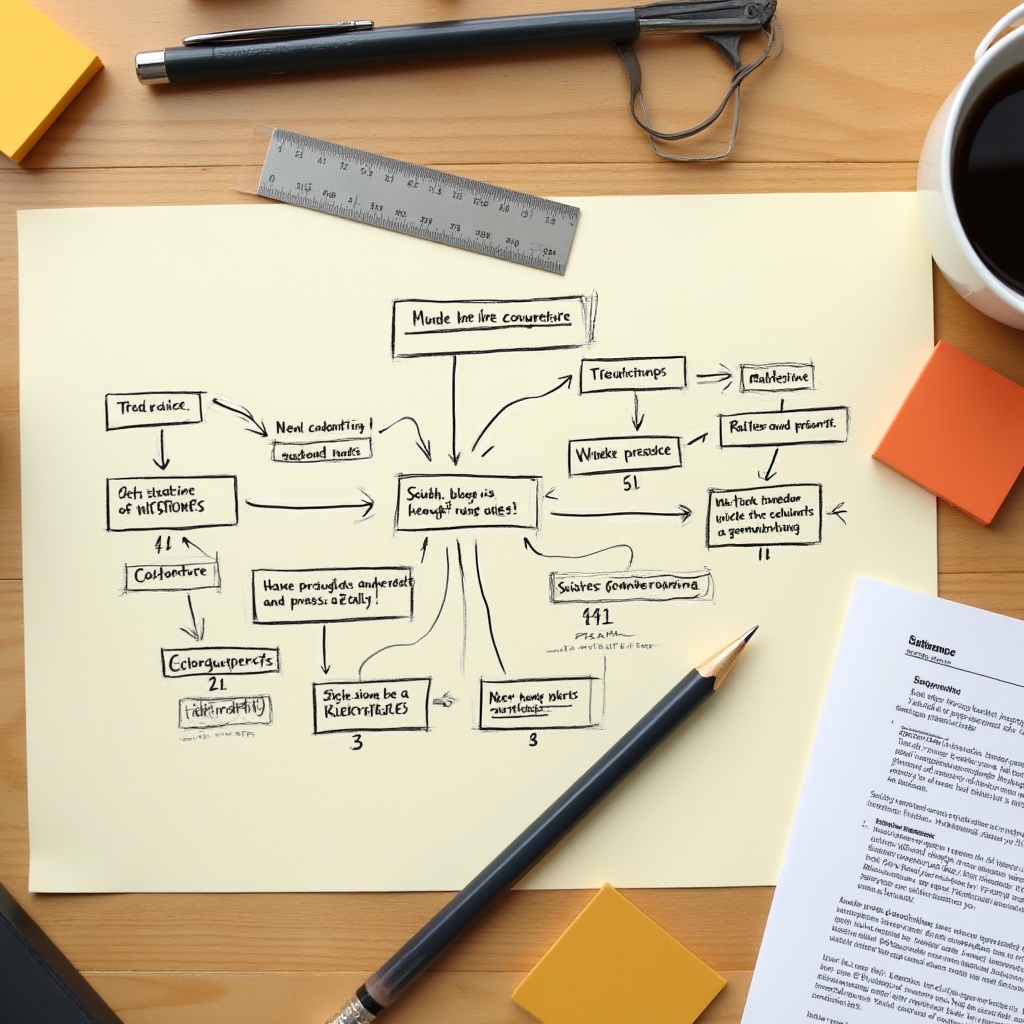
Professional sketching a document structure on paper, organizing situations and rules in a logical hierarchy

The values that guide our work

These aren't abstract ideals — they're practical commitments that shape every document we produce.

Not Legal, Operational

We don't produce legal labor documents. We produce operational guides — the manual of coexistence that makes daily work predictable and fair.

Plain Language Always

Every rule is written so that any team member — regardless of their role or background — can read it and understand exactly what it means.

Built to Evolve

Your company will change. The document is structured to be updated — with clear versioning and a process for adding new rules as new situations emerge.

Curious about how this applies to your company?

Start with an initial diagnosis. We'll map the specific grey zones in your organization and explain what a rulebook would address.